Traditional Card Games Go Digital Offshore: Leaderboard Systems Boost Tournament Reach
Written by Yves Jung · Oct 20, 2026

Traditional Card Games Go Digital Offshore: Leaderboard Systems Boost Tournament Reach
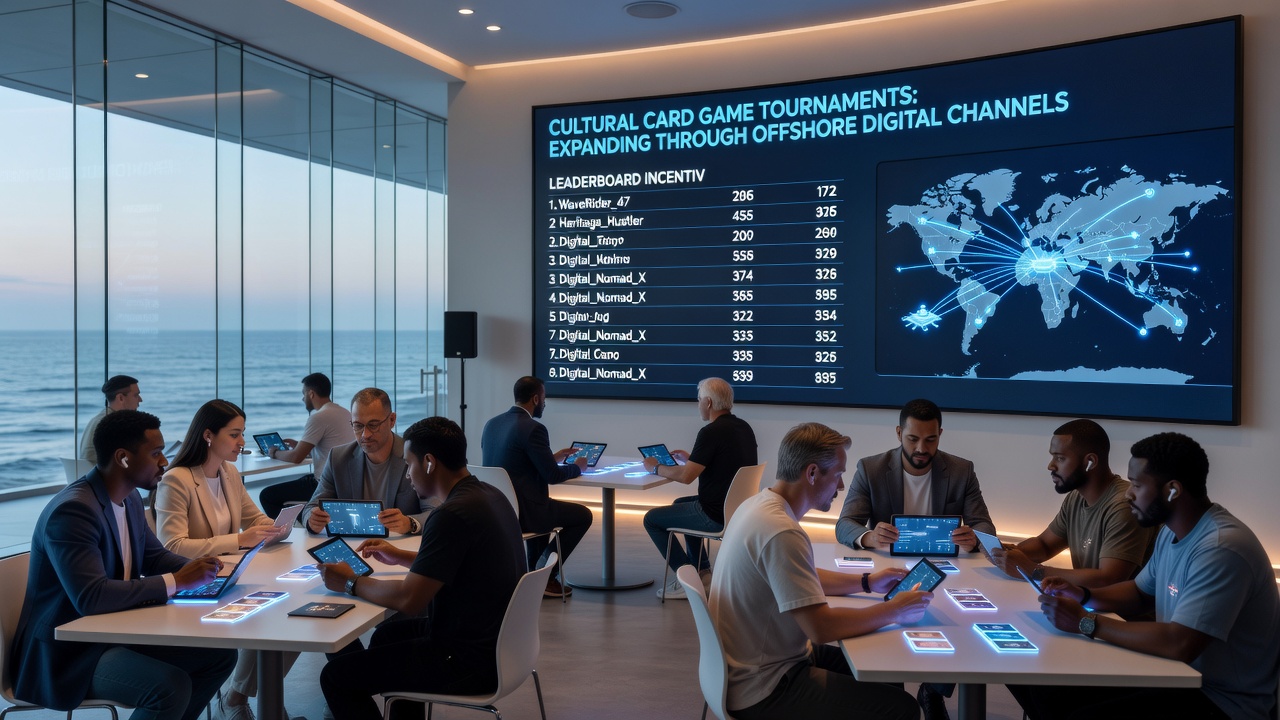
Traditional card games from various regions continue to find new audiences through offshore digital platforms that combine familiar gameplay with structured tournament formats and leaderboard incentives. These events draw participants from multiple countries who compete in games such as Teen Patti and Andar Bahar while tracking progress on real-time rankings that award bonuses and entry into higher-stakes rounds.
Platform Growth and Participation Trends
Offshore operators have expanded their offerings since early 2025 by integrating cultural card formats into existing casino interfaces and data from industry reports shows increased session lengths among users who join leaderboard challenges. Platforms in regions outside strict regulatory zones now host daily and weekly events where players accumulate points based on wins, streaks, and participation volume, and these systems encourage repeat engagement without requiring physical travel.
October 2026 marked a noticeable uptick in registered accounts for several offshore services that specialize in South Asian and Southeast Asian card variants, according to aggregated figures released by the Asian Gaming Association. The same period saw a rise in crypto-based deposits that support quick entry into tournaments, while leaderboard positions determine access to larger prize pools funded through operator contributions and player buy-ins.
Leaderboard Mechanics and Incentive Structures
Leaderboard systems typically reset on weekly or monthly cycles and display top performers across categories such as total hands played, highest multipliers achieved, and consistency scores. Participants receive tiered rewards including bonus credits, free tournament entries, and exclusive access to private tables where cultural rules remain unchanged yet payout structures scale with ranking status.
One study released by the University of Nevada, Las Vegas International Gaming Institute documented how point-based incentives influence player retention rates across digital card environments, and findings indicated that visible progress tracking correlates with longer average session durations compared to non-competitive modes. Operators implement these features through automated tracking software that updates standings instantly after each round completes.
Regional Player Patterns and Platform Features
Players from Bangladesh and neighboring countries increasingly access these tournaments through mobile applications that support multiple languages and local time zone scheduling. Offshore channels provide round-the-clock availability, and many services incorporate pattern recognition tools alongside standard rules to assist strategic decisions during competitive matches.
Industry observers note that crypto payment options have reduced transaction friction for users in areas with limited traditional banking access, and several platforms now list daily leaderboard winners alongside their accumulated earnings. This transparency helps attract new entrants who view the rankings as both competitive benchmarks and potential income sources when combined with bonus structures.
Regulatory Context and Market Data
Reports from the Australian Gambling Research Centre highlight how offshore digital expansion affects participation in culturally specific games, while figures reveal steady growth in user bases from Asia-Pacific regions between 2025 and 2026. Platforms operating beyond national borders maintain compliance with their host jurisdictions yet offer features unavailable in stricter onshore markets.
External links to regulatory summaries appear infrequently in player discussions, yet sources such as the Nevada Gaming Control Board provide comparative data on digital gaming trends that operators reference when designing leaderboard programs. These cross-border comparisons help shape incentive models that balance risk management with engagement goals.
Future Developments in Tournament Formats
Additional features under development include team-based leaderboards where groups from the same region pool points toward collective rankings, and seasonal events that align with cultural festivals to increase relevance for target audiences. Data indicates these adaptations maintain core game mechanics while expanding accessibility through digital means.
Conclusion
Offshore digital channels continue to reshape how cultural card game tournaments operate by emphasizing leaderboard incentives that reward consistent participation and skill demonstration. Participation metrics from multiple reporting bodies demonstrate sustained interest across regions, and platform operators adjust formats based on performance data collected through automated systems. This evolution keeps traditional games active in new environments while providing structured competitive pathways for players worldwide.