Promotions and Slot Design: The Mechanics of Player Retention
Written by Viktor Long · Aug 20, 2026
Promotions and Slot Design: The Mechanics of Player Retention
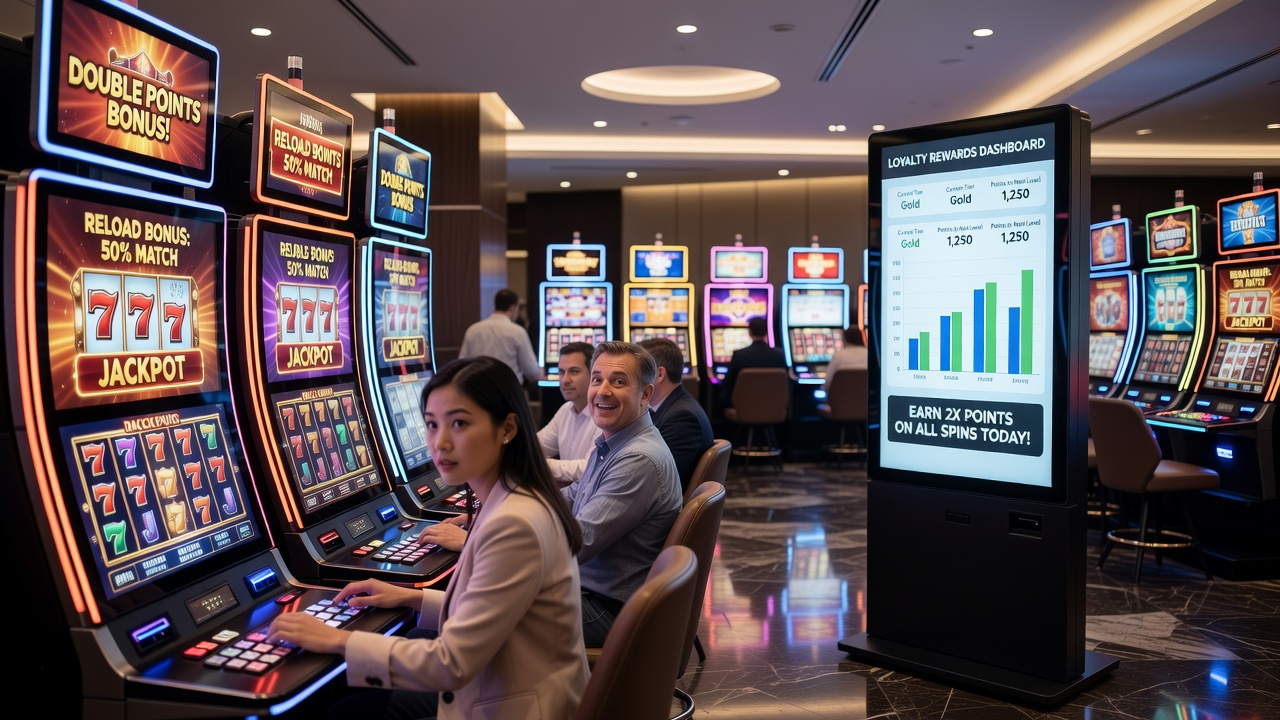
August 2026 finds casino operators refining how promotional structures connect directly with slot machine parameters such as return-to-player percentages, volatility levels, and hit frequencies, and these alignments aim to extend session lengths while supporting repeat visits. Operators adjust free spin allocations, deposit match structures, and loyalty point multipliers to specific game profiles so that players encounter incentives at moments when engagement metrics typically decline. Research from the International Gaming Institute indicates that such targeted pairings correlate with measurable increases in average session duration across multiple jurisdictions.
Core Slot Parameters That Shape Promotion Timing
Slot games operate on fixed mathematical models where RTP determines long-term payout ratios while volatility governs the size and frequency of wins. Low-volatility titles deliver frequent small returns that pair naturally with reload bonuses scaled to smaller increments, whereas high-volatility machines with longer dry spells often receive bonus buy features or free spin bundles that reset the reel cycle without additional player deposits. Data compiled by the Nevada Gaming Control Board shows that casinos in that state have increased the proportion of promotions tied to volatility bands since early 2025, and these adjustments coincide with shifts in machine floor mix toward titles offering variable RTP settings during promotional windows.
Types of Promotions and Their Mechanical Matches
Deposit matches frequently activate on games with medium volatility and RTP near 96 percent because those titles provide steady feedback that encourages continued play after the matched funds appear in the balance. Free spin offers, by contrast, concentrate on high-volatility slots during limited-time campaigns because the larger potential payouts amplify the perceived value of the promotion. Loyalty programs accumulate points at rates adjusted by game category, so players receive accelerated rewards on machines that historically produce shorter sessions. Observers note that these point multipliers appear most often on titles with lower hit frequencies, thereby offsetting the natural drop-off in engagement that occurs during extended losing streaks.
Implementation Patterns Observed in 2026
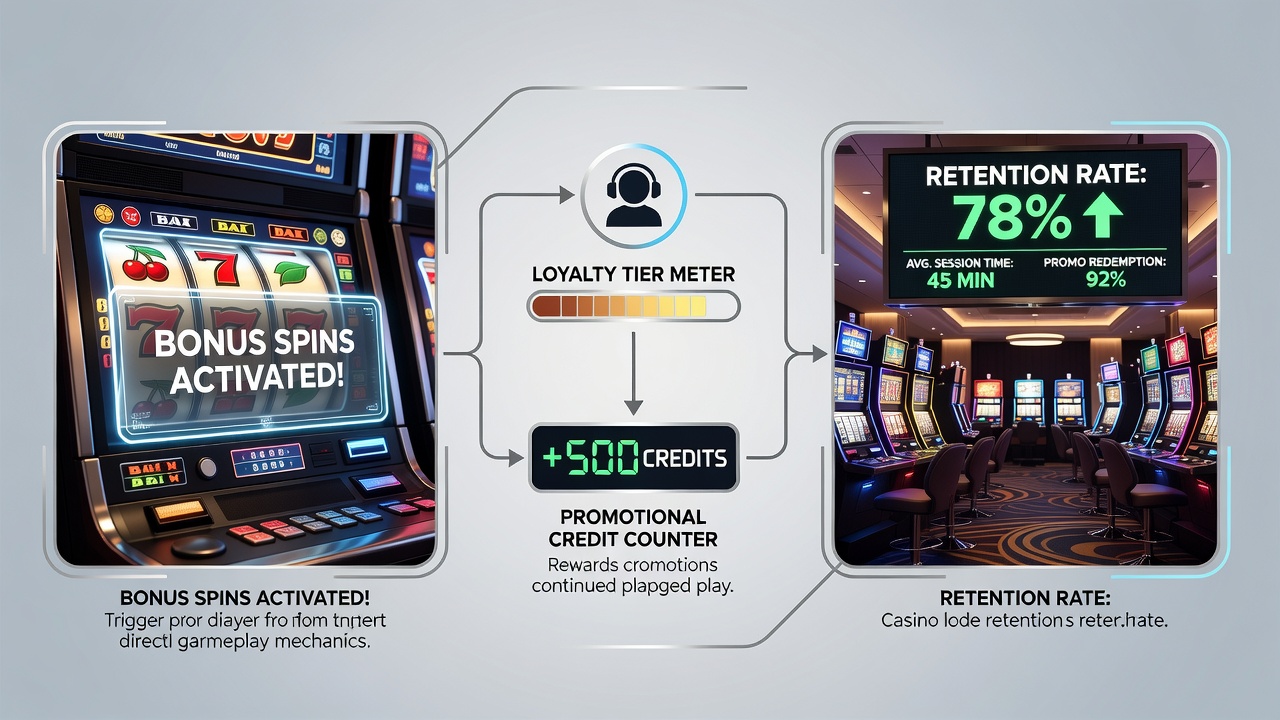
Casino systems now link backend player tracking directly to reel outcomes so that a player approaching a predefined loss threshold receives a time-limited free spin package calibrated to the current machine's volatility. This integration relies on real-time data feeds that compare individual play patterns against aggregate retention curves for each game. One study released by the Australian Gambling Research Centre in mid-2026 examined 14 properties and found that promotions triggered at these thresholds extended average playtime by intervals ranging from 12 to 27 minutes depending on the title's hit rate. The same report documented that bonus structures adjusted weekly according to floor performance data produced higher redemption rates than static weekly offers.
Regional Variations in Promotional Integration
European operators governed by the Malta Gaming Authority have introduced rules requiring clear disclosure of how promotional funds interact with RTP settings, and these disclosures appear in game information panels before play begins. In contrast, North American properties emphasize dynamic multipliers that scale with loyalty tier, and those multipliers apply automatically to games flagged for retention campaigns. Figures released by the Ontario Lottery and Gaming Corporation reveal that tiered point systems linked to volatility categories maintained higher active player counts month-over-month compared with uniform reward schedules. The differences reflect regulatory environments as much as player preference data collected across borders.
Measurement of Retention Outcomes
Retention metrics tracked by casino management systems include repeat visit intervals, total handle per player, and churn rates segmented by game type. When promotions align with slot mechanics, operators record reductions in early session exits on high-volatility titles and steadier accumulation of handle on low-volatility machines. Reports from the Canadian Gaming Association covering the first half of 2026 indicate that properties employing volatility-matched incentives experienced churn reductions between 4 and 9 percent relative to control sites using generic bonus calendars. These outcomes emerge from continuous A/B testing that compares matched versus unmatched promotional cohorts within the same player segments.
Conclusion
Casino operators continue to refine the connections between promotional timing, bonus types, and slot parameters because the resulting data streams support more precise allocation of marketing resources. As tracking systems grow more granular, the alignment between mathematical game profiles and incentive structures is expected to become standard practice across regulated markets. The patterns established through 2026 demonstrate that mechanical compatibility between promotions and slot features produces measurable effects on session extension and return frequency without requiring subjective interpretation of player motivation.